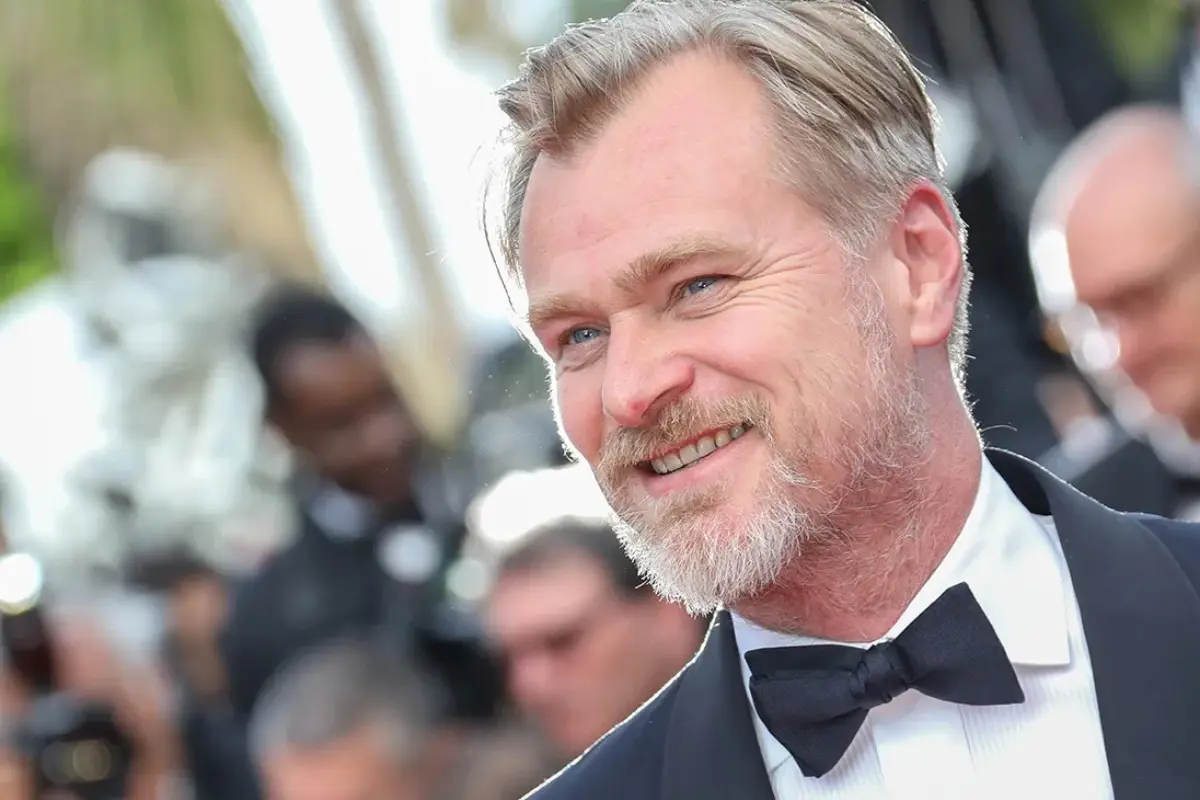
Christopher Nolan: The Filmmaker Who Redefined Modern Cinema
Christopher Nolan is one of the most influential filmmakers of the 21st century, known for his intellectually ambitious storytelling, practical filmmaking techniques, and refusal to compromise artistic vision. With a career defined by originality and scale, Nolan has reshaped how mainstream audiences engage with complex narratives, proving that blockbuster cinema can also be deeply thoughtful.
Early Life and Creative Roots
Born on July 30, 1970, in London, Christopher Nolan developed a fascination with filmmaking at an early age. He began experimenting with short films using a Super 8 camera, often casting friends and family. His exposure to both British and American cultures—having spent parts of his childhood in Chicago—helped shape his global storytelling sensibility.
Nolan studied English Literature at University College London, where he honed his narrative skills while continuing to experiment with filmmaking. Instead of attending film school, he learned by doing, gaining hands-on experience that would later influence his practical, grounded approach to cinema.
Breakthrough and Rise to Prominence
Nolan’s first major breakthrough came with Memento (2000), a psychological thriller told through a fragmented, non-linear structure. The film gained critical acclaim for its originality and narrative innovation, instantly establishing Nolan as a filmmaker willing to challenge audience expectations.
Following Memento, Nolan directed Insomnia (2002), a more traditional thriller that demonstrated his ability to work within studio systems while maintaining creative control. This balance between artistic ambition and commercial viability would become a defining feature of his career.
Redefining the Blockbuster
Christopher Nolan reached global prominence with The Dark Knight Trilogy, beginning with Batman Begins (2005). Rather than treating superhero films as simple entertainment, Nolan infused them with moral complexity, psychological depth, and real-world themes. The Dark Knight (2008) in particular is widely regarded as one of the most influential films of its era, elevating the superhero genre to new artistic heights.
Beyond comic book films, Nolan continued to push boundaries with ambitious projects like Inception (2010), a layered exploration of dreams and reality, and Interstellar (2014), which combined emotional storytelling with scientifically grounded concepts of space and time. These films proved that audiences were willing to engage with complex ideas when presented through compelling visuals and emotional stakes.
Filmmaking Philosophy and Style
Nolan is known for his preference for practical effects, large-scale sets, and minimal reliance on computer-generated imagery. He frequently shoots on film, including IMAX formats, believing it provides a richer visual experience. His collaborations with composer Hans Zimmer and cinematographer Hoyte van Hoytema have become integral to his cinematic identity.
Recurring themes in Nolan’s work include time, memory, identity, and moral ambiguity. His films often invite multiple interpretations, encouraging viewers to think long after the credits roll.
Cultural Impact and Legacy
With films like Dunkirk (2017) and Oppenheimer (2023), Nolan demonstrated his ability to reinvent historical storytelling while maintaining emotional intensity and technical precision. Oppenheimer in particular highlighted his talent for transforming complex real-world subjects into gripping cinematic experiences.
Christopher Nolan’s legacy lies in his unwavering commitment to storytelling integrity. In an era dominated by formulas and franchises, he has consistently delivered original, director-driven cinema that balances intelligence with spectacle.
As audiences continue to seek meaningful cinematic experiences, Christopher Nolan remains a vital force—proving that bold ideas, when executed with conviction, can still thrive in mainstream film.