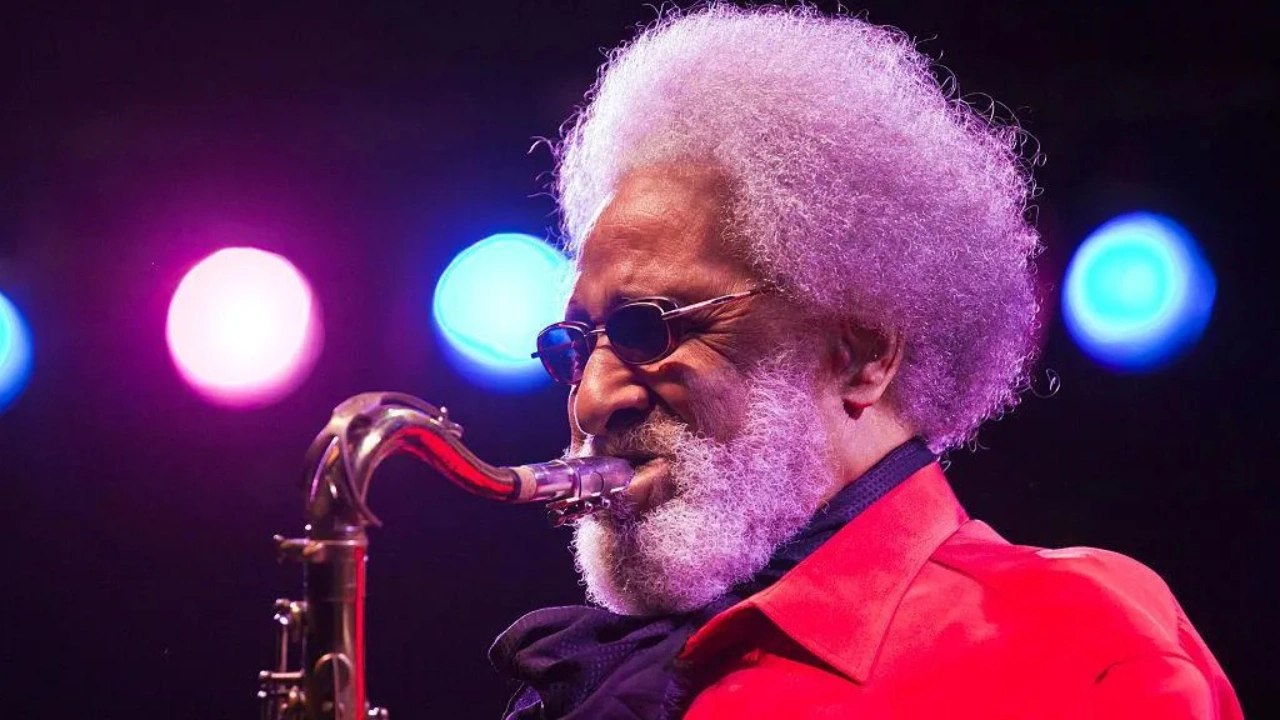
Jazz Icon Sonny Rollins Passes Away at 95, Leaving Behind an Unmatched Musical Legacy
The world of jazz has lost one of its most influential and celebrated figures. Legendary saxophonist Sonny Rollins, widely known as the “Saxophone Colossus,” has died at the age of 95. According to a statement released by his publicist, Rollins passed away peacefully at his home in Woodstock, New York, on Monday afternoon.
Recognized as one of the greatest jazz musicians in history, Rollins leaves behind a monumental legacy that helped shape modern jazz for more than seven decades. His publicist described him as “one of the most honored and influential figures in American music,” a title many fans and critics wholeheartedly agree with.
No official cause of death was revealed. However, Rollins had been battling respiratory illness in recent years, which ultimately forced him into retirement in 2014 after an extraordinary musical career that inspired generations of artists around the world.
Born in New York City in 1930, Rollins developed a passion for music at an incredibly young age. In a past interview with Jazz Times, the legendary musician fondly recalled the moment his life changed forever. His mother gifted him his first alto saxophone when he was only seven years old, and the connection was immediate.
“I got the saxophone and I went into the bedroom and I started playing — that was it,” Rollins once said. “I was in seventh heaven. I could have been there forever.”
That early fascination with the instrument would eventually transform him into one of the defining voices in jazz history. Rollins became known for his powerful improvisational style, emotionally charged performances, and incredibly long, inventive solos that showcased both technical brilliance and deep creativity.
Throughout his remarkable career, Rollins collaborated with some of the most legendary names in jazz, including Miles Davis, Charlie Parker, John Coltrane, Art Blakey, and Bud Powell. He was also mentored by the legendary pianist Thelonious Monk, who played a major role in helping shape his artistic journey.
Rollins released more than 60 albums as a band leader during his career, but one project stands above the rest in terms of cultural impact. In 1956, he released Saxophone Colossus, a groundbreaking album that solidified his place among the all-time jazz greats. The record featured timeless tracks and showcased Rollins at the height of his creative powers, earning him the nickname “Saxophone Colossus.”
As his fame continued to rise in the late 1950s and early 1960s, Rollins became known for his dedication to artistic perfection. Seeking solitude and inspiration, he famously spent countless hours practicing alone on New York City’s Williamsburg Bridge. The experience eventually inspired one of his most acclaimed albums, The Bridge, released in 1962.
The bridge itself later became deeply associated with Rollins’ artistic identity, with many fans and musicians calling for the landmark to be renamed in his honor. For many jazz lovers, the Williamsburg Bridge symbolizes Rollins’ relentless pursuit of musical growth and spiritual discipline.
Beyond his technical mastery, Rollins was admired for his fearless improvisational approach. Unlike many performers who carefully planned every detail, Rollins often entered performances with no fixed idea of where the music would go.
Speaking to PBS in a past interview, he explained that he trusted the moment and allowed creativity to guide him naturally. “Sometimes I’m surprised by what comes out,” he said, describing the unpredictable beauty of improvisation.
His philosophy toward music reflected a deeper spiritual outlook on life. A quote shared following the announcement of his death revealed Rollins’ belief in creativity and existence beyond the physical world.
“I think when the creative person ends, he continues in the next existence,” he once said. “A spiritual person doesn’t feel like this life is the be-all and end-all of everything.”
Over the decades, Rollins received countless honors for his contributions to music, including multiple Grammy Awards and recognition as one of the most important figures in American cultural history. His influence extended far beyond jazz, inspiring musicians across genres with his originality, passion, and commitment to artistic excellence.
Even after retirement, his recordings continued to educate and inspire young musicians worldwide. From smoky jazz clubs to grand concert halls, Sonny Rollins’ sound became synonymous with freedom, innovation, and emotional expression.
His passing marks the end of an extraordinary era in jazz, but his music and legacy will continue to resonate for generations to come.